A TalTech-led research project

AI-based Emulator for Marine Environmental Simulations (AIMES)

AIMES develops AI-based emulators that reproduce ocean-biogeochemical model outputs for the eastern Baltic Sea. The project combines curated historical datasets with modern deep learning and explainable AI to deliver faster, transparent, and actionable marine forecasts.

Baltic Sea
Regional focus
AI + XAI
Transparent models
OBGM
Surrogate emulation

Project overview and main goals

The eastern Baltic Sea is a dynamic and sensitive marine system with strong climate and human pressures. AIMES addresses the need for faster and more sustainable environmental simulations by building AI-based surrogate models of coupled ocean-biogeochemical models (OBGMs). These emulators reproduce key physical and biogeochemical variables while reducing computational cost and enabling transparent, explainable insights for researchers and decision makers.

Main goals

  • O1. Data consolidation and data mining for optimal model inputs.
  • O2. Development of an AI-based emulation framework.
  • O3. Emulation of key physical state variables in the Baltic Sea.
  • O4. Emulation of key biogeochemical state variables.
  • O5. Establishment of explainability tools for transparent AI output.

People

Core team members and their roles in AIMES.

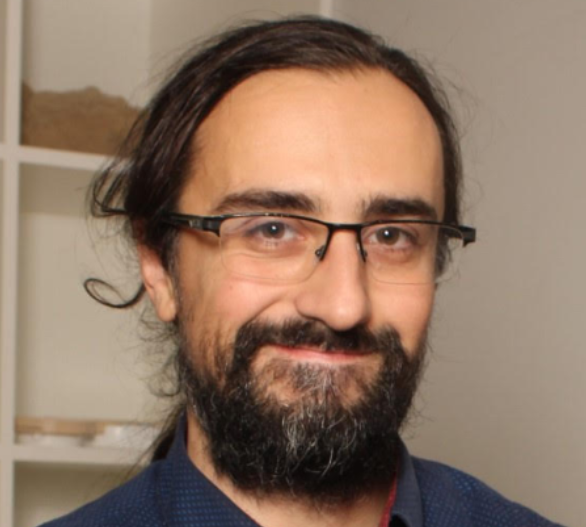
Portrait of Ilja Maljutenko

Ilja Maljutenko

Principal Investigator
Senior Research Fellow in marine modelling and physical oceanography. (+)

Senior Research Fellow specializing in marine modelling and physical oceanography. In AIMES he leads project coordination, data management, and dataset curation. His work focuses on establishing reproducible modelling workflows, FAIR data archiving, and model validation frameworks. He also contributes expertise in ocean circulation modelling and supervises student research related to environmental modelling and data analysis.
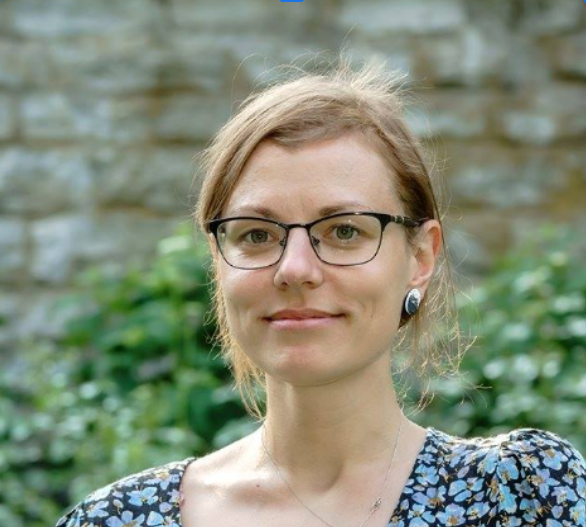
Portrait of Mariliis Kõuts

Mariliis Kõuts

PhD Researcher
Researcher on marine ecosystem and biogeochemical modelling. (+)

Researcher specializing in marine ecosystem modelling and ecological data analysis. Her work focuses on biogeochemical datasets, including nutrients and chlorophyll-a, and their connection to ecosystem dynamics. Within AIMES she contributes ecological expertise to the AI modelling workflow and supports the development of policy-relevant products such as hypoxia risk assessments and eutrophication mitigation insights. She also co-supervises student research.

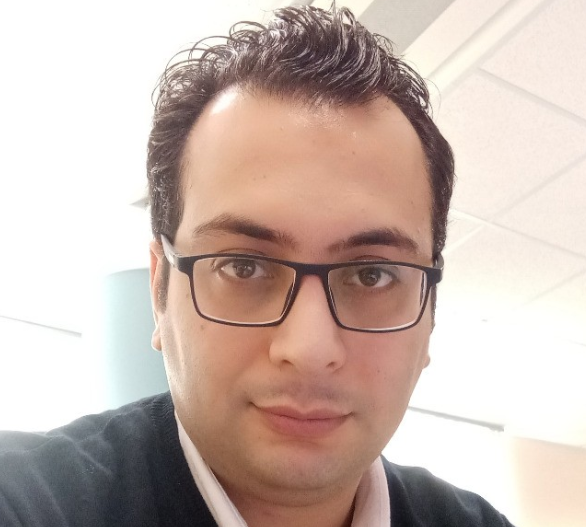
Portrait of Amirhossein Barzandeh

Amirhossein Barzandeh

PhD Student
Researcher developing neural network models and explainable AI methods for marine environmental systems. (+)

Researcher focusing on the development of AI-based modelling frameworks for marine systems. His work includes the partial emulation of simulated ocean variables using data-driven approaches, as well as the design of physics-informed and biogeochemistry-informed neural networks (PINN, BINN), explainable AI (XAI) approaches, and the integration of machine learning with environmental modelling. Within AIMES he contributes to model development, methodology design, and scientific dissemination, while also supervising student research.

Open positions and thesis topics

Opportunities aligned with the AIMES research plan.

PhD position (planned)

  • Explainability of AI surrogate models (XAI methods such as SHAP, Grad-CAM).
  • Model performance assessment and identification of key drivers.
  • Uncertainty quantification and interpretability for marine forecasting.

MSc / BSc thesis topics

  • Data preprocessing and validation for OBGM datasets.
  • Spatiotemporal pattern mining and detection of extreme events.
  • Benchmarking AI architectures for spatial and temporal emulation.

Recruitment: MSc topics are announced via TalTech Physics, IT, and Earth Science programs. Final-term Bachelor students are recruited through PI-taught courses. PhD recruitment follows the TalTech Glowbase platform.

See the dedicated page for the current list of topics: Topics & positions.

Resources

Selected publications and project repositories.

➣ Barzandeh, A., Maljutenko, I., Rikka, S., & Raudsepp, U. (2026). sciCUN: A deep learning model for daily sea surface current fields inference—A case study of the Gulf of Riga. Ocean Modelling, 201, #102693. DOI: 10.1016/j.ocemod.2026.102693
➣ Barzandeh, A., Ličer, M., Rus, M., Kristan, M., Maljutenko, I., Elken, J., Lagemaa, P., & Uiboupin, R. (2025). Application of the HIDRA2 deep-learning model for sea level forecasting along the Estonian coast of the Baltic Sea. Ocean Science, 21, 1315–1327. DOI: 10.5194/os-21-1315-2025

Contact

For collaboration inquiries, student applications, or data sharing, contact the AIMES team at TalTech Department of Marine Systems.